
Many Swiss associations are currently facing considerable structural and content-related challenges. They often appear outdated to the outside world, which is reflected both in their website and in their communication. This image problem not only makes them less attractive to potential new members, but also makes it more difficult for them to be perceived from the outside.
This is particularly evident in the area of user experience and member recruitment. Data is fragmented, processes are inefficient or outdated, and strategic decisions are made more difficult as a result. Without a solid digital infrastructure, it is impossible to systematically identify member needs or build long-term relationships.
Against this backdrop, the question of the sensible use of new technologies is becoming increasingly important. Artificial intelligence could offer potential, for example in member management, communication or the analysis of needs and trends. However, without a clear strategy, digital foundations and openness to change, AI will remain just a buzzword rather than part of real progress.
Many associations and clubs appear outdated (when viewed from the outside). Many organizations have grown historically, supported by commitment, continuity and militia structures. However, it is precisely these strengths that are increasingly becoming a challenge when the expectations of members and the public change faster than the association can keep up.
Associations assume an important public responsibility in Switzerland. They represent interests, provide guidance and contribute to social cohesion. This role is an obligation. If you want to remain visible, credible and effective, you also need to develop your communication and services. The demand for transparency, accessibility and service has increased - and will continue to do so.
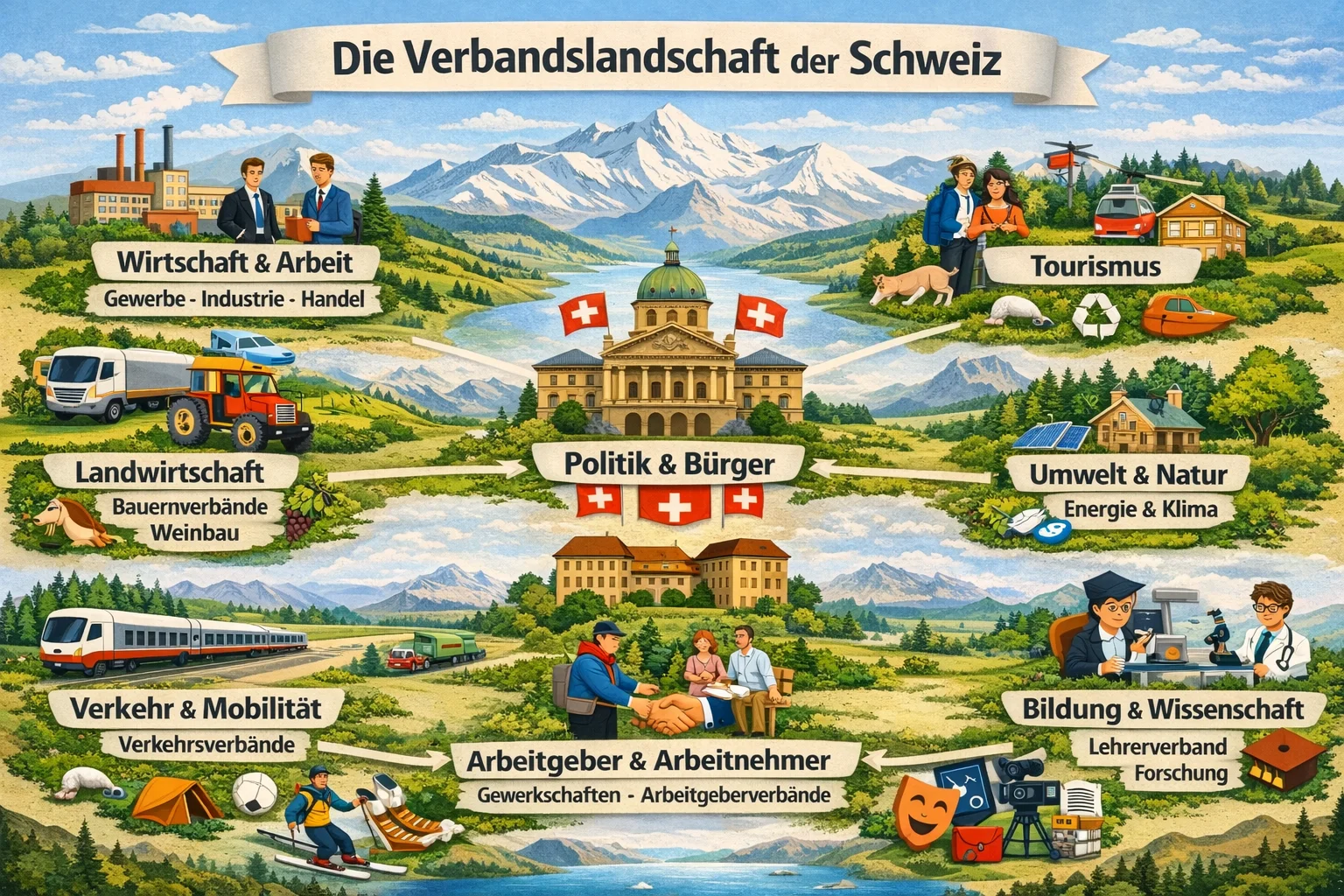
But it often fails at the very basics. In many places, the digital user experience is not up to date. Members and potential new members cannot find information, or only with great effort. Websites have grown complex, structures are unclear and content is difficult to access. Anyone who wants to find their way around today expects simple paths, clear navigation and relevant content. If these expectations are not met, the result is distance instead of loyalty.
This distance is also reflected in the loss of members that many associations are currently having to cope with. Traditional loyalty is declining and the willingness to commit to long-term loyalty is decreasing. People want to recognize the benefits immediately and expect interaction that fits in with their everyday lives. If access is complicated or the added value is not clear, interested people often decide against membership, silently and without feedback.
Personnel challenges at the association's head office
The association's offices are currently facing staff shortages that are making the smooth running of daily tasks considerably more difficult. High staff turnover, unfilled positions and the increasing workload of the remaining team are leading to overtime and stress. This not only impairs the efficiency of internal processes, but also the quality of member support and association projects. Strategic personnel planning, targeted further training and staff retention measures are urgently needed to ensure the long-term viability of the office.
Member administration
A central weakness often lies in member administration. Data is organized decentrally, systems are not linked to each other, processes are manual and prone to errors. This not only makes internal work more difficult, but also prevents a targeted approach to members. Without a consistent, central database, many things remain piecemeal and personal communication becomes the exception rather than the rule, as there is usually not enough time for this.
At the same time, the issue of accessibility is becoming more of a focus. In an inclusive society, it is not enough to make services formally open. They must actually be accessible to everyone - regardless of technical, linguistic or individual requirements. Associations that fail to do this run the risk of excluding parts of their target groups.
New technologies
And then there is the question of the role of new technologies, especially artificial intelligence. AI can provide support: In structuring content, in answering queries, in analyzing needs. It can help to become more efficient and better align offers with members. But it is no substitute for strategic clarity. Without clear processes, good data and a modern organization, its potential remains untapped.
For Swiss associations, it is therefore not just about digitalization, but about a fundamental rethink. Tradition and renewal need not be a contradiction in terms - but they must be consciously combined. Those who take their role seriously must ask themselves how they can remain relevant today. Not someday, but now.
Associations, which we actively support:



Do you work in the office of an association and are struggling with your technical aids? Then get in touch with us directly. We will be happy to guide you towards the future.