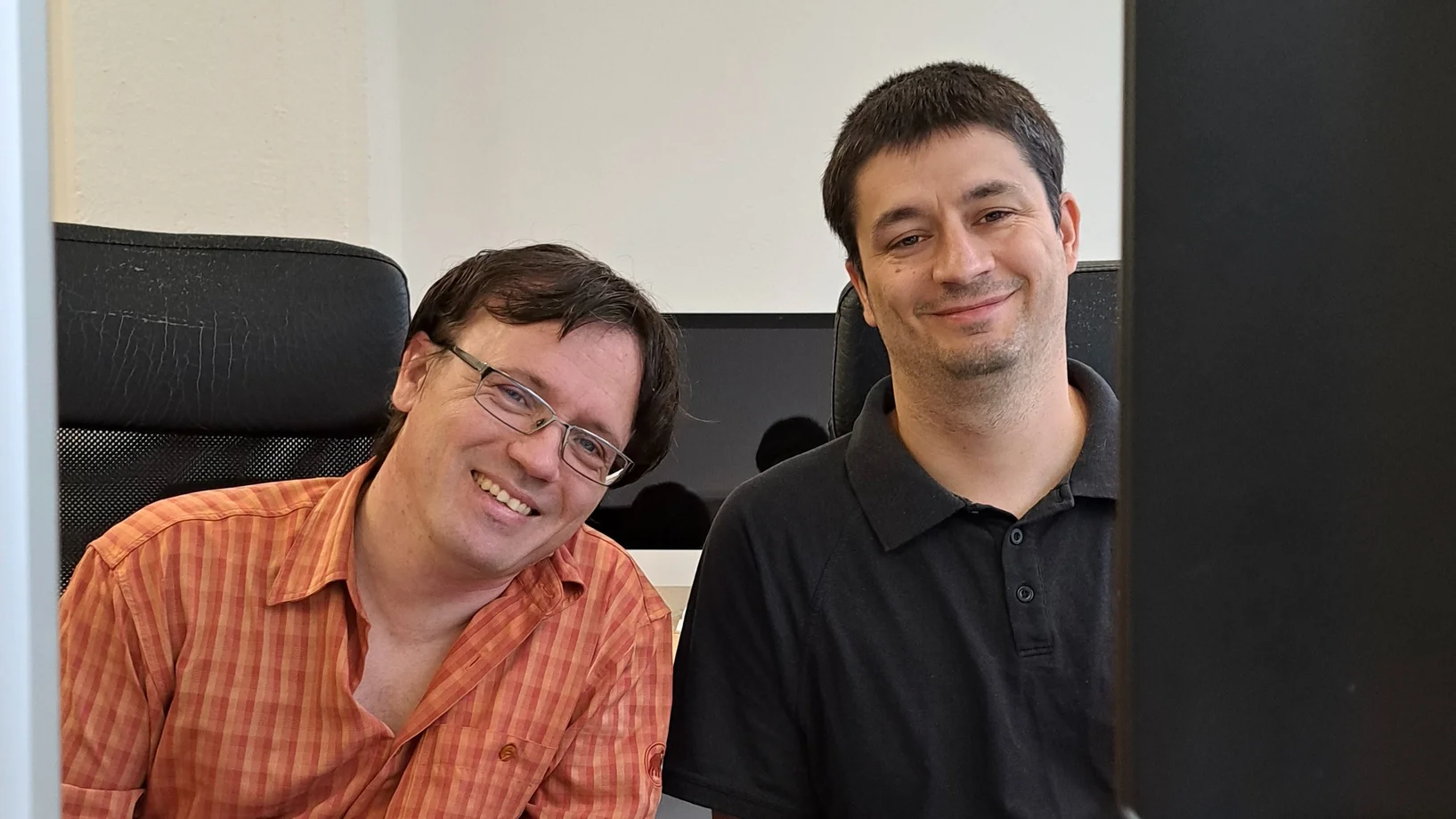
Drupal has been on the market for 25 years and we have been part of the development team since its inception. This means that today we are celebrating all over the world. The Drupal community is huge and we are delighted that we have all been working together in the right direction for so long.
What Dries Buytaert started as a forum in a student dormitory in Antwerp has grown into one of the most powerful open source platforms in the world. From its first release in 2001 to today, where Drupal powers millions of websites, its success is based on the passion of its global developer community.
Drupal is much more than an open source CMS, it is a strong and worldwide community that develops new tools and features together. Because we value the importance of an open source community, we are involved in numerous other open source projects in addition to the development of our Primer platform.
As experienced architects, we set global standards by developing new open source frameworks and maintaining them for our customers.
Our main focus is on the Drupal content management system (CMS), which we use to create customized websites.
We are deeply rooted in the Drupal community and are convinced that open source is the key to a sustainable, robust and secure product. We invest heavily in Drupal development and work on both Drupal core and some of the most used Drupal modules.
We are specialists in Drupal core, developing subsystems and making a significant contribution to Drupal core. This enables us to significantly reduce the complexity of our own modules and customer-specific projects.
Drupal is a flexible open source CMS that runs on a LAMP stack and has a modular structure. It includes features that can be added and removed by installing and uninstalling modules and will change the overall look and feel of the website. The basic Drupal download, known as Drupal Core, contains the open PHP scripts needed to run the basic CMS functionality, several optional modules and themes, and many JavaScript, CSS and image assets. Many additional modules and themes can be downloaded from the website Drupal.org website.
Drupal can also be run on stacks consisting of other technologies:
- The operating system can also be Windows or Mac OS instead of Linux.
- The web server can also be Nginx or IIS instead of Apache.
- The database can also be PostgreSQL or SQLite instead of MySQL or a MySQL-compatible replacement such as MariaDB or Percona.
Drupal can also be made to run on other operating systems, web servers and databases; however, the scripts the software uses are written in PHP, so PHP is required to run Drupal in any case.
Website based on Drupal
With us, you can concentrate fully on the content of your website, because we take care of all the technical details. The content is the focus of your website. This should take up your time, instead of dealing with secondary issues such as ‘How do I ensure that all new articles end up on the news page?’, ‘This image fits better to the left of the text, but how can I move it from the right to the left?’ or ‘Articles usually only have one image, but for this one I really want to add these two. I'll have to decide which one to leave out.’
We develop open source solutions that help you create content as freely as possible from these technical details. To this end, we develop and maintain many smaller Drupal modules. Our main project is the ‘Paragraphs’ module. Thanks to it, you can write content without being restricted by a predefined set of allowed fields. With ‘Paragraphs’, you can adapt the structure of your page to your content, not the other way around. Besides Paragraphs, the Media module is one of the most important modules in Drupal, as it is responsible for integrating all types of media (images, videos, PDF documents, audio files, etc.) on your website.
We also develop integrations with third-party media management software so that you can use your preferred tool on your Drupal websites. We also develop additional modules for the main Drupal Commerce module so that your preferred third-party system can interact directly with your website. You no longer need to worry about synchronising your website content with your merchandise management system.
We create a variety of modules that you may not yet be using or may not even be aware of, but which provide many important functions for your website.
For example, one module constantly monitors the status of your website and immediately detects when something is wrong and needs to be fixed.
Some of these modules also improve your website's cache so that it loads faster.
Let us advise you and we will develop the optimal website for you. Contact us now.